Welcome back to TechCrunch Mobility! This is your go-to source for news and insights on the future of transportation. To receive this directly in your inbox, sign up for free here at TechCrunch Mobility!
Another week, another round of announcements about robotaxis either launching or planning in city locations.
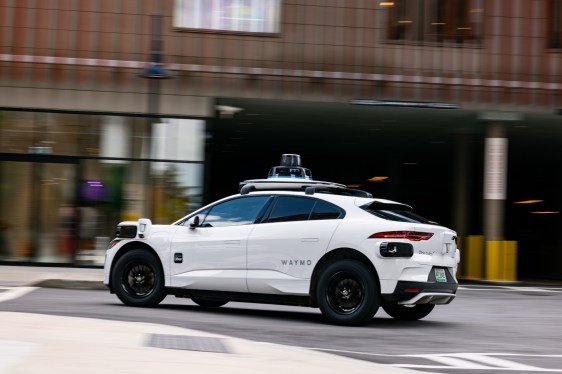
Let’s recap. Waymo has initiated testing of its autonomous vehicles (with a safety monitor) in Philadelphia and will begin manual driving to collect data in cities such as Baltimore, St. Louis, and Pittsburgh. Uber and Avride have introduced a robotaxi service in Dallas, initially including a human safety operator behind the wheel. Additionally, the California Department of Motor Vehicles has issued revised rules allowing companies to test and eventually deploy self-driving trucks on public highways in the state.
The advancement of autonomous vehicle technology is rapidly increasing. However, is this pace appropriate?
As autonomous vehicle technology integrates into city environments, so does the criticism and challenges. Recent incidents exemplify this. The National Highway Traffic Safety Administration has requested more information from Waymo regarding its self-driving system and operations following reports from the Austin School District that its robotaxis illegally passed school buses 19 times this year. The agency has already initiated an investigation into Waymo's performance around school buses.
Another incident involved KitKat, a bodega cat that tragically passed away after being hit by a Waymo robotaxi on October 27. The company was previously under scrutiny for this event, which may intensify with the release of new video footage. The NYT obtained surveillance video showing a woman attempting to rescue KitKat before the Waymo vehicle abruptly moved away.
Do you have a tip for us? Reach out to Kirsten Korosec via email at kirsten.korosec@techcrunch.com or on Signal at kkorosec.07. You can also contact Sean O’Kane via email at sean.okane@techcrunch.com.
Deals!
Electric aircraft manufacturer Beta Technologies, which recently went public, is establishing itself as a key supplier. The Vermont-based company aims to become an OEM for the aviation industry.
Beta has secured a deal to supply electric pusher motors to air taxi company Eve Air Mobility. The agreement represents a potential $1 billion opportunity over 10 years. Although the figure is subject to change, shareholders responded positively to the news, causing stocks to rise by 8%. Beta is paving a revenue path while working towards commercial certification of its electric aircraft by the Federal Aviation Administration.
Autolane, a startup from Palo Alto developing the 'air traffic control' for autonomous vehicles, raised $7.4 million in a round led by VC firms Draper Associates and Hyperplane.
Element Fleet Management acquired San Francisco-based connected vehicle payments company Car IQ. The acquisition price of $80 million was undisclosed.
ExploMar, a China-based developer of electric propulsion systems for boats, raised $10 million in a Series A round.
Heven AeroTech, a startup creating hydrogen-powered drones, received $100 million in a Series B round led by American quantum computing company IonQ.
Wayve, the UK self-driving startup backed by major companies, acquired German startup Quality Match, which specializes in data analysis for AI training in automated driving.
Notable Reads and Other Tidbits
Amazon is contemplating terminating its contract with the United States Postal Service in favor of establishing its own nationwide delivery network.
Tesla owners can now use the latest version of the company's Full Self-Driving (Supervised) driver-assistance software to text and drive, despite it being illegal in most states.
Grand Theft Auto Online has introduced robotaxis from a fictional company named 'KnoWay'.
Nvidia unveiled Alpamayo-R1, an open reasoning vision language model for autonomous driving research.
TechCrunch's Europe-based reporter Anna Heim provides an inside look at a drone delivery partnership in Finland.
The Trump administration plans to reduce fuel economy standards for cars and light trucks sold in the United States, making vehicles more affordable with a potential increase in gas prices for consumers.
Sign up for the Mobility newsletter to join our polls on various topics!